
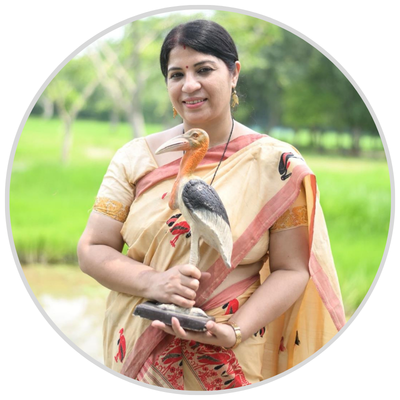
Purnima Devi Barman
India
Biography
Dr Purnima Devi Barman was listed in the Time Magazines women of the year 2025 list out of 13 extraordinary women of the world being only Indian to receive this honour. She is a wildlife biologist and Conservationist from Assam, India, popularly known as “Hargila Baido” or “Stork Sister.She made India proud by receiving the United Nations’ highest environmental honor, UNEP Champion of the Earth in the year 2022. Dr. Barman is the recipient of two times Whitley Award/ Green Oscars including the Whitley Gold Award) in 2024, the top prize of the Whitley Award, conferred by HRH Princess Anne at the Royal Geographical Society in London. She previously received the Whitley Award Green Oscars in 2017 for her groundbreaking work towards saving endangered birds. She has been honored with the Nari Shakti Puraskar 2017 which is India’s highest civilian award for women, conferred by the President of India. – She is the founder of the Hargila Army, an all-female conservation initiative dedicated to protecting the Greater Adjutant Stork in Assam, India. Through this initiative, she has mobilized over 20,000 rural women, giving them a voice for bird and biodiversity conservation and empowering them through various livelihood and capacity-building programs.
Keith Bradbury
Australia
Biography
Keith is a long-time advocate for the ecological values of south-western Australia and for the power of local communities. He helped establish some of Australia’s earliest landcare groups; has run building, beekeeping and native seed businesses; consulted to the farming, mining and local government sectors; worked in rural enterprise development and at policy levels in government. In the 1980s he helped end government programs releasing public land for farming in south-western Australia. Part of that story is captured in the film ‘A Million Acres a Year’ (2000), which Keith co-wrote and narrates. Also during the 1980s he ran a number of environmental camps for students of all ages, many of whom have now grown up and are also making a difference to the world. From 1996-2002, Keith worked within government to successfully regulate and stop large-scale land-clearing.
In 2002, Keith was a key part of establishing the Gondwana Link, a bold restoration initiative to address climate change and biodiversity loss at scale, which recognises the global significance of Gondwana systems and the importance of people learning to live together with nature.
Mark Caddey
Australia
Biography
Mark Caddey is a highly accomplished professional with over 35 years of experience in the education and environment sectors, specializing in sustainability, curriculum and environmental education. Through roles in the NSW Department of Education and NSW Department of Environment, he has played a pivotal role in shaping environmental education policy and implementing sustainability programs across NSW.
His career includes roles in education, policy and program delivery in NSW, developing expertise in design, delivery and evaluation of education, sustainability and community engagement programs. He advised on environmental education policy implementation in NSW and managed the NSW Sustainable Schools program. He was the NSW representative on the Australian Curriculum’s Sustainability cross-curriculum working group.
Currently he is currently delivering capacity building to the Agriculture sector focussed on carbon abatement.
Mark served as the Chair of the NSW Chapter of the AAEE for 8 years and was the National President for 4 years. His volunteer leadership in these roles further highlights his dedication to advancing environmental education in Australia.
Academic credentials include a Grad Cert in Place Management and Leadership, Manchester Metropolitan University, a MEd in Leadership, UNSW, and a BSC (Agriculture), Hawkesbury College.
Mark’s deep commitment to environmental education, his extensive experience in policy development, and his collaborative approach make him a key figure in the sustainability and education sectors.
Gabriella Calvano
Italy
Biography
PhD in Educational Dynamics and Education for Politics, Gabriella Calvano is a Researcher in General and Social Pedagogy at the University of Bari, where she teaches General and Social Pedagogy and Education for Sustainable Development. Her main research interests include the relationship between education and sustainable development, the role of universities in sustainability education, and environmental justice in connection with migration processes, within a global citizenship education perspective.
Since 2023, she has coordinated the Education Working Group of the RUS (Network of Universities for Sustainable Development).
She is currently the coordinator of the “Culture and Participation” Working Group of the National Forum for Sustainable Development of the Italian Ministry of the Environment and Energy Security, and a member of the multi-stakeholder working group on Global Citizenship Education coordinated by the Italian Agency for Development Cooperation.
Luis Camargo
Colombia
Biography
Luis Alberto Camargo is a global leader in nature-based education and the transition toward regenerative cultures. He is the founder and director of OpEPA (Organización para la Educación y Protección Ambiental), a nonprofit organization established in 1998 to reconnect people—especially children and youth—with the Earth and catalyze cultural transitions rooted in ecological awareness and systems thinking. Over the past 27 years, his work has reached more than 130,000 students and 5,000 educators, influencing policy, pedagogy, and bioregional action in Latin America and beyond.
Luis is a co-chair of the IUCN-CEC Nature-Based Education Initiative and serves as Vice President for South America of the IUCN Commission on Education and Communication. He is a recognized Ashoka Fellow, Young Global Leader (World Economic Forum), Salzburg Global Fellow, and Global Change Leader, and in 2023 received both the Richard Louv Prize for Innovation in Nature Connection and the WISE Award for Educational Innovation.
He is also co-founder of global networks such as The Weaving Lab, Catalyst NOW, and the Regenerative Communities Network, all of which promote transformative learning ecosystems and regenerative futures grounded in care, reciprocity, and planetary wellbeing.
Chris Eames
New Zealand
Biography
Professor Chris Eames is a sustainability and climate change educator in Te Kura Toi Tangata School of Education at the University of Waikato in Aotearoa New Zealand. Chris has a background in science and education and applies these two disciplines to teaching and research in schools and teacher education for a more sustainable world for everyone. Chris has been a member in of the international Environmental Science Expert Group contracted by the OECD to design an Environmental Science component for the Science framework for the 2025 Programme for International Student Assessment (PISA). In 2025, Chris was again contracted by the OECD as part of an international team to devise a Climate Literacy Framework for all future PISA tests.
Currently, Chris is leading a team of climate change education experts to develop curriculum guidelines for climate change education in Aotearoa New Zealand schools, and is part of a contract team helping to integrate climate change education into a revision of the senior secondary school curriculum for the Solomon Islands.
Michele John
Australia
Biography
Professor Michele John is Director of the Sustainable Engineering Group at Curtin University. Her current research is focused on industry decarbonisation and ESG governance. She is a world leader in sustainability education development and has published a number of books on sustainability management including “Global Sustainability Education and Thinking in the 21st Century” (Taylor and Francis, April 2024 ). Her work covers strategic advice across many sectors and areas of sustainability including sustainability performance assessment, climate risk, zero carbon strategy development, circularity and ESG reporting.
Michele has also spent many years working in the resources sector and held a number of senior international executive roles (Asia Pacific) including in commercial market development for multi-national corporations.
She is a resource economist and has served as a Director on a number of Company Boards and executive level committees in the government and NFP sector.

Nolita Mvunelo
South Africa
Biography
Nolita Thina Mvunelo is a systems change leader, researcher, and practitioner working at the intersection of environmental education, cultural transformation, and sustainable development. She is currently Principal for Cultural Transformations at the Club of Rome, where she provides strategic leadership to global initiatives advancing systems thinking, intergenerational leadership, and regenerative innovation in pursuit of equitable wellbeing on a healthy planet.
Trained as a chemical engineer and currently completing an MPhil in Environment Humanities at the University of Cape Town, Nolita brings a rare ability to translate complex systems challenges into accessible learning programmes, policy-relevant research, and impactful global dialogues. Her work spans youth leadership, philanthropy, social innovation, and sustainability governance, with experience across Africa and Europe.
Nolita is co-author of the UN Youth Office report on intergenerational leadership in business and co-author of the Young Person’s Guide to Systems Change. She has collaborated with multilateral organisations, academic institutions, and civil society, and has designed learning and engagement initiatives reaching over 2,000 participants across 35 countries.
A frequent speaker, moderator, and educator, Nolita is passionate about re-imagining environmental education as a transformative force for cultural renewal, collective agency, and long-term planetary stewardship.
Diana Payne
United States of America
Biography
Diana Payne is an Associate Professor and Education Coordinator at the University of Connecticut and Connecticut Sea Grant, USA. Her experience in ocean and environmental science and education includes leadership positions with the National Marine Educators Association and as an international expert in ocean literacy as a Fulbright scholar. She currently serves as Co-Chair of the IOC UNESCO Ocean Literacy Group of Experts.
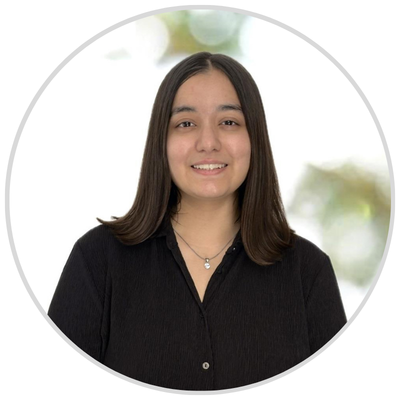
Anukriti Sharma
India
Biography
Anukriti Sharma is an environmental scientist and geographer dedicated to advancing environmental learning, knowledge exchange, and public engagement in conservation through education and citizen science.
She serves as Co-Chair of the IUCN Task Force on Citizen & Community Science and is a member of the Citizen Science Global Partnership, collaborating with international researchers and organizations to integrate citizen science into conservation as a science-based, participatory, and democratic approach. Her contributions include bringing participatory methods into global environmental governance discussions at events such as the IUCN World Conservation Congress and the United Nations Environment Assembly in 2025.
At WWF-India, Anukriti develops educational resources, green literature, training programs, and capacity-building initiatives aligned with national priorities and the Sustainable Development Goals. She also contributes to WWF‑India’s Model Conference of Parties (MCOP), a youth programme recognized by the Convention on Biological Diversity that simulates COP negotiations and builds students’ biodiversity governance skills. Her work emphasizes inclusive opportunities for youth and communities in the Global South to engage with environmental issues.
Anukriti has also led the Asia Nature Challenge, a regional citizen science initiative mobilizing organizations and participants across multiple Asian countries to document biodiversity and strengthen collaborative public datasets through iNaturalist.
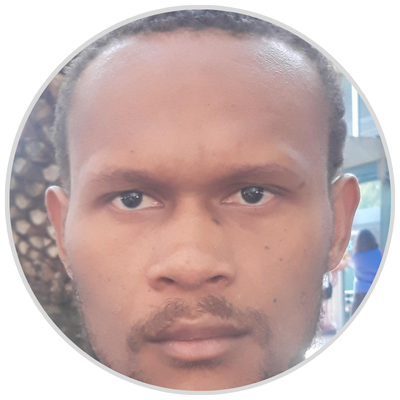
Stephen Simon
Solomon Islands
Biography
My name is Stephen Justen Simon, I am a young dedicated and passionate Solomon Islander. I came from Temotu province, reef island in the Eastern Solomon, I had pursued my passion for creating a sustainable future through education, social engagement and community work. I holds a Bachelor of Science degree and a Postgraduate Diploma in Climate Change from the University of the South Pacific, Fiji, in 2016 and 2019 respectively.
With five years of experience working voluntarily with local communities, I had collaborated (as individual and team) with various civil society organizations, NGO’s, government ministries, and partner stakeholders to build a sound and doable community adaptive capacity and resilience in the face of environment and climate change .
My focus areas of experties includes environment conservation and management, climate change, and human rights.
As a young leader and innovator, my vision is to empower young people to lead the change towards a sustainable and just world. I strives to build network, and provide platforms for engagement and mobilization, inspiring a new generation of leaders to take action.
Through my work, I aims to make a positive impact in my community and the world at large.
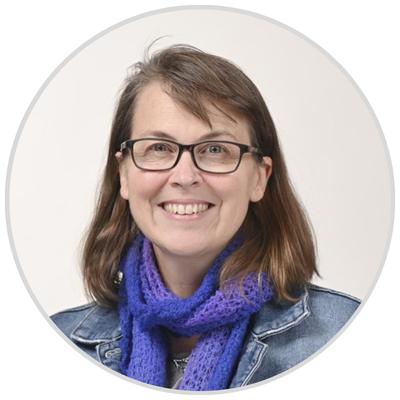
Peta White
Australia
Biography
Peta J. White is an Associate Professor in Science and Environmental Education at Deakin University. She is the Co-director of the Regenerating Futures Faculty Research Group – a transdisciplinary collective attending to Anthropocene challenges and decolonising practices while also building researcher capacity. She is the Editor-In-Chief of the Australian Journal of Environmental Education (Q1 – Web of Science). She led the OECD PISA 2025 Science Framework Environmental Science contribution ‘Agency in the Anthropocene’ and is active in climate change education research and advocacy. Peta’s research leadership has three narratives: science and biology education; sustainability, environmental, and climate change education; and collaborative/activist embodied methodologies.
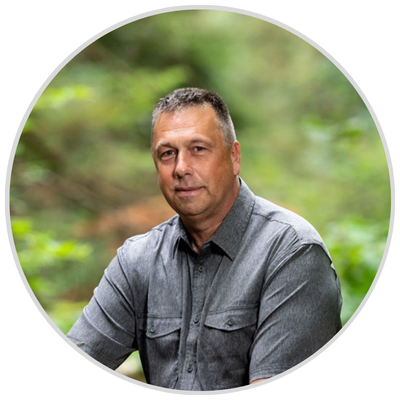
David Zandvliet
Canada
Biography
David Zandvliet is a Professor in the Faculty of Education at Simon Fraser University and holds the UNESCO Chair in Bio-cultural Diversity and Education. He is the founding Director for the Institute for Environmental Learning and has also held Associate memberships in the Faculty of Science and the Faculty of Environment at SFU. An experienced researcher, he has published articles in international journals and presented papers on six continents and in over 27 countries. His career interests lie in the areas of science and environmental education with a special focus on the study of learning environments. He has considerable experience in the provision of teacher development and has conducted studies in school-based locations in Australia, Canada, Malaysia, Indonesia, Sri Lanka and Taiwan. David leads environmental education programming at SFU including directing field schools in diverse locations including those in: Vancouver, Haida Gwaii, Hawaii, Indonesia, Tanzania and Australia.